
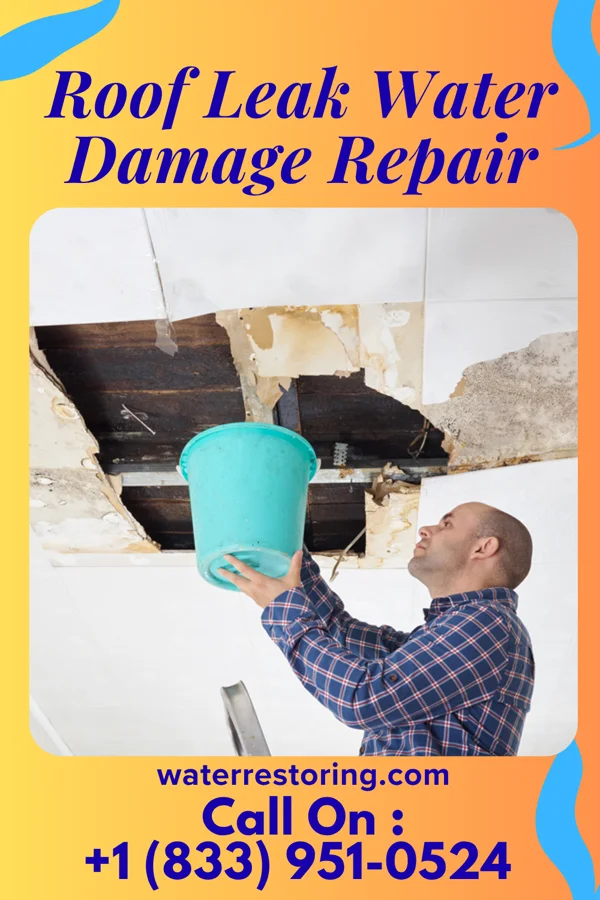
Why Roof Leaks Hit Swea City Hard
The pattern in Swea City is consistent. Swea City experiences frequent spring and summer thunderstorms, which can lead to sudden heavy rainfall and strong winds. These conditions can cause rapid water accumulation on roofs, increasing the risk of leaks and water damage. The area also sees occasional winter snowfall that can add weight to roofing structures, potentially leading to structural stress and leaks. drives most of the emergency restoration calls we get. A close second is During the late spring and early summer, high humidity levels combined with frequent rain can create a perfect environment for moisture buildup. This is particularly common in rural areas like Swea City, where older homes may have less modern insulation and sealing, making them more prone to water infiltration..
The combination of frequent storms, high humidity, and aging infrastructure in Swea City means that water damage is a common issue. Homes in this area often face challenges with poor drainage and inadequate attic ventilation, which can contribute to long-term roof damage and water infiltration.
The combination of frequent storms, high humidity, and aging infrastructure in Swea City means that water damage is a common issue. Homes in this area often face challenges with poor drainage and inadequate attic ventilation, which can contribute to long-term roof damage and water infiltration. The dominant local driver is Swea City experiences frequent spring and summer thunderstorms, which can lead to sudden heavy rainfall and strong winds. These conditions can cause rapid water accumulation on roofs, increasing the risk of leaks and water damage. The area also sees occasional winter snowfall that can add weight to roofing structures, potentially leading to structural stress and leaks., with During the late spring and early summer, high humidity levels combined with frequent rain can create a perfect environment for moisture buildup. This is particularly common in rural areas like Swea City, where older homes may have less modern insulation and sealing, making them more prone to water infiltration. showing up as the next most common cause. Damage builds in stages. Spread. Absorption. Microbial growth. Structural compromise. Every stage you pass through adds to the final bill.